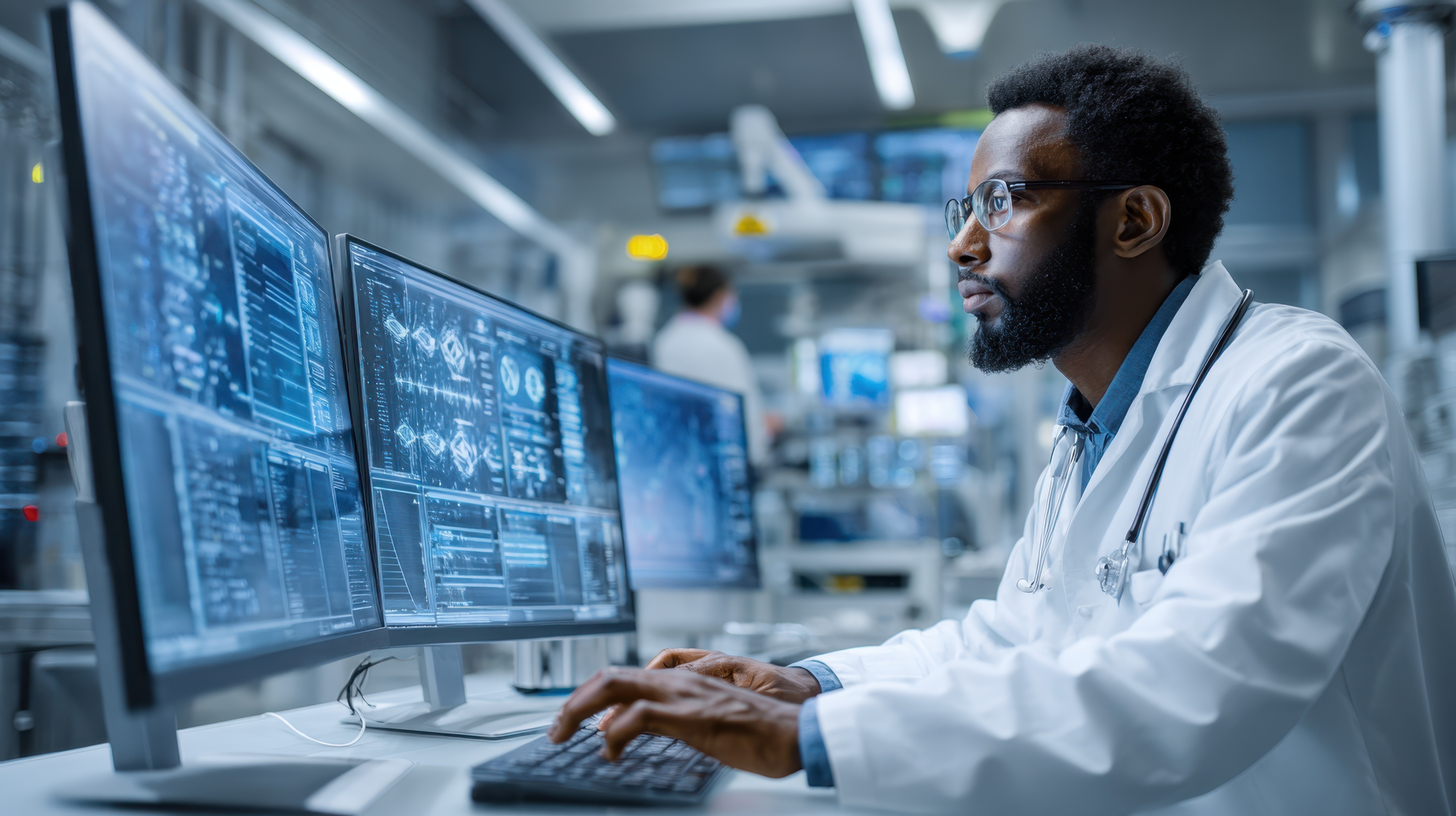
If you are curious about how technology and medicine come together, you have likely come across the role of a health informatics specialist. These professionals are the architects and caretakers of the digital infrastructure that keeps modern healthcare running smoothly. But what does their daily work actually look like?
At its most basic level, a health informatics specialist ensures that data moves securely, accurately, and efficiently between clinical teams and their technical systems.
Bridging the Gap Between IT and Clinical Care
One of the most important aspects of this role is acting as a liaison. A specialist must be able to speak the language of doctors, nurses, and administrators, while also understanding the complex systems managed by IT departments.
Key day-to-day responsibilities often include:
System Implementation and Support: Helping to launch or upgrade Electronic Health Record (EHR) systems to ensure they meet the specific needs of a hospital or clinic.
Workflow Optimization: Observing how clinical staff interact with software and finding ways to reduce administrative burdens, such as minimizing clicks or automating data entry.
Data Integrity and Quality: Regularly auditing systems to ensure that patient information is accurate, up to date, and compliant with HIPAA and data privacy skills standards.
User Training: Developing documentation and providing hands-on training to medical staff so they can use new digital tools effectively.
Problem-Solving in a Medical Context
Health informatics specialists spend much of their time troubleshooting. If a physician cannot access a patient’s historical records or a nurse finds a specific interface difficult to navigate, the specialist investigates the issue. They look for the root cause within the software configuration and implement solutions that prioritize both technical stability and patient safety.
While the role is highly technical, it is fundamentally a patient-centered career. By making it easier for providers to access the information they need, specialists directly contribute to faster diagnoses and safer treatment plans.
Preparing for the Role
Success as a specialist requires more than just technical troubleshooting. It demands a deep understanding of clinical environments. Whether you are coming from a nursing background or an IT degree, you will likely need to brush up on technical skills needed for health informatics jobs to handle the rigorous data demands of the modern healthcare sector.
As you consider your own professional journey, it is helpful to look at the day-to-day realities of the field. Many candidates find that the most rewarding part of the job is the impact they have on clinical outcomes. If you are ready to explore roles that align with your experience, you can browse available health informatics jobs to see what organizations are currently looking for in a specialist.